Blooming Souls: The Happiest within Us / 만개한 영혼들 : 우리 안의 행복
2026 · Digital Animation · Adobe After Effects (visual), Suno (music) · 6144×1100px, 90sec
우리는 사람을 데이터로 인식하는 세상을 살아간다. 그 안에서 사람의 얼굴은 사라지고 흐름만 남는다. 사람을 집합으로만 바라보는 사회는 무엇을 잃는가, 그리고 단 한 사람이라도 개별자로 보여질 때 무엇이 달라지는가.
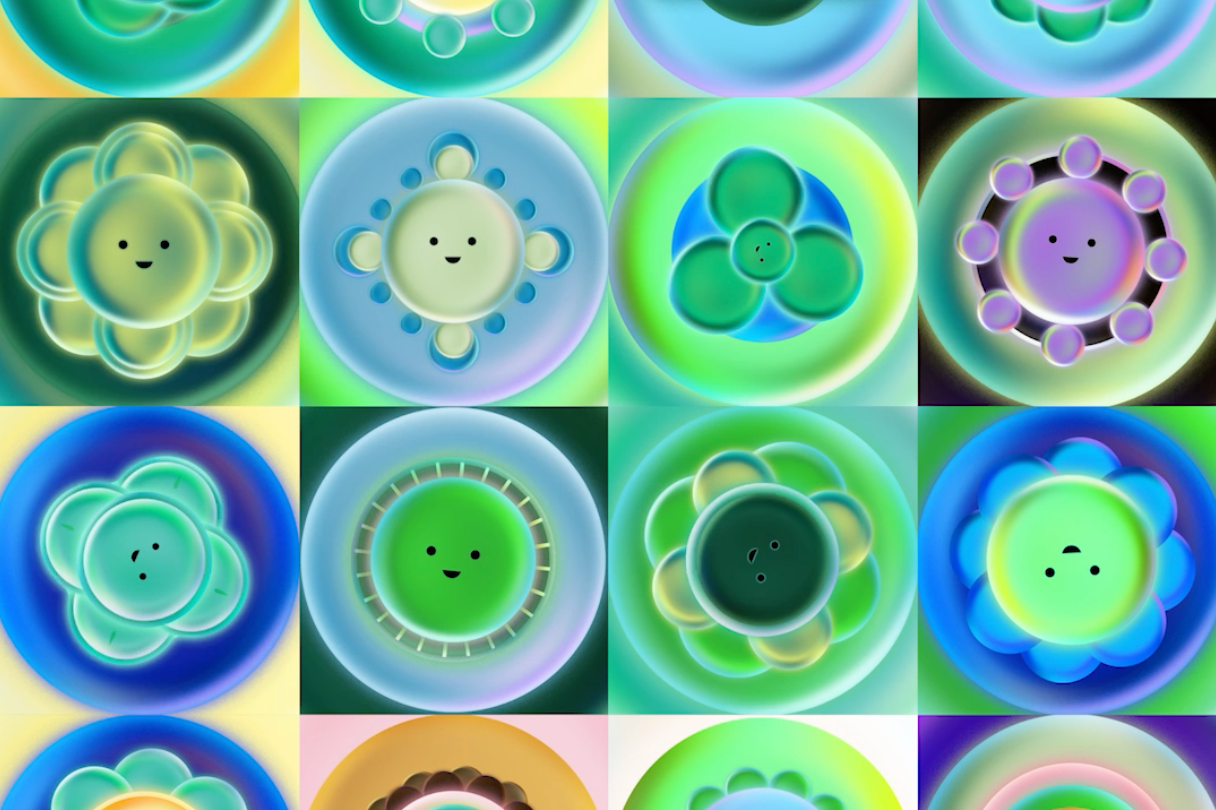
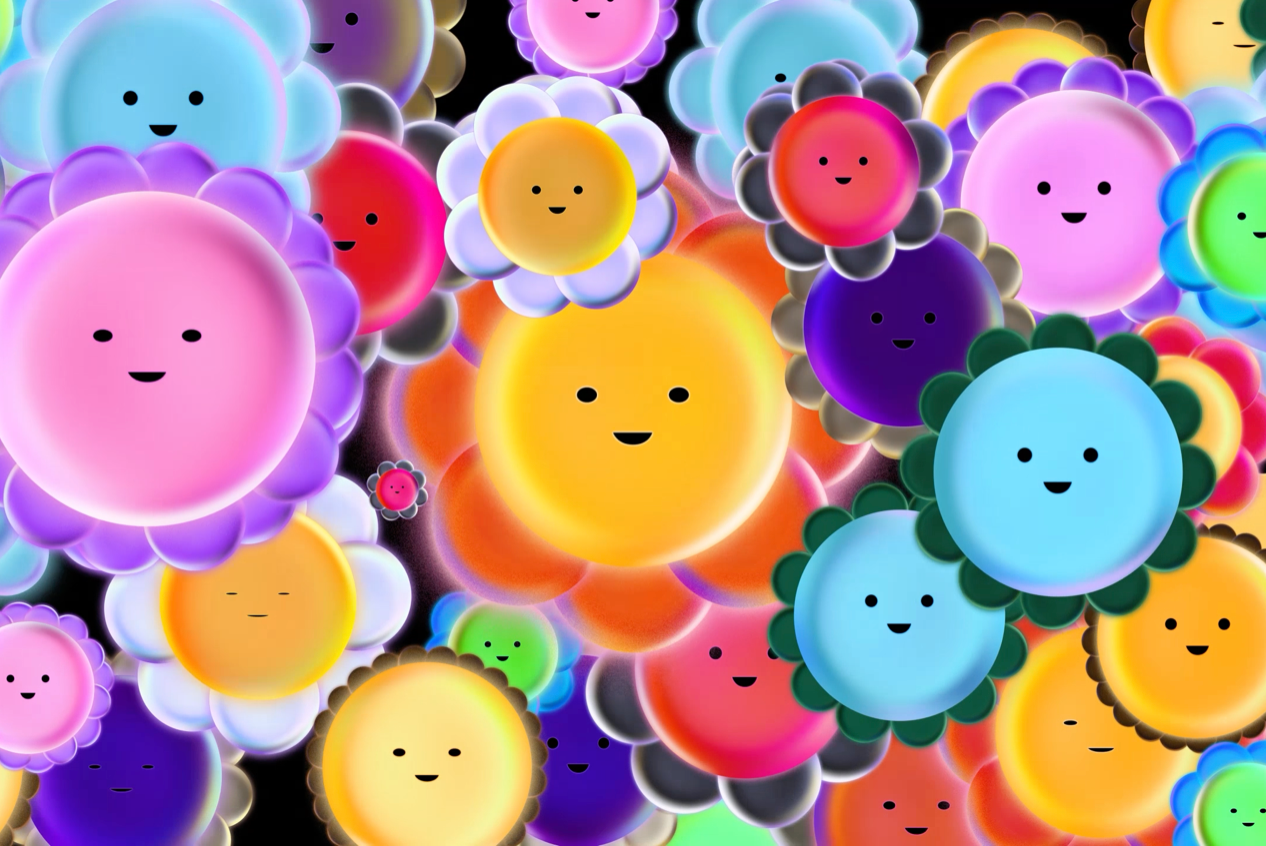
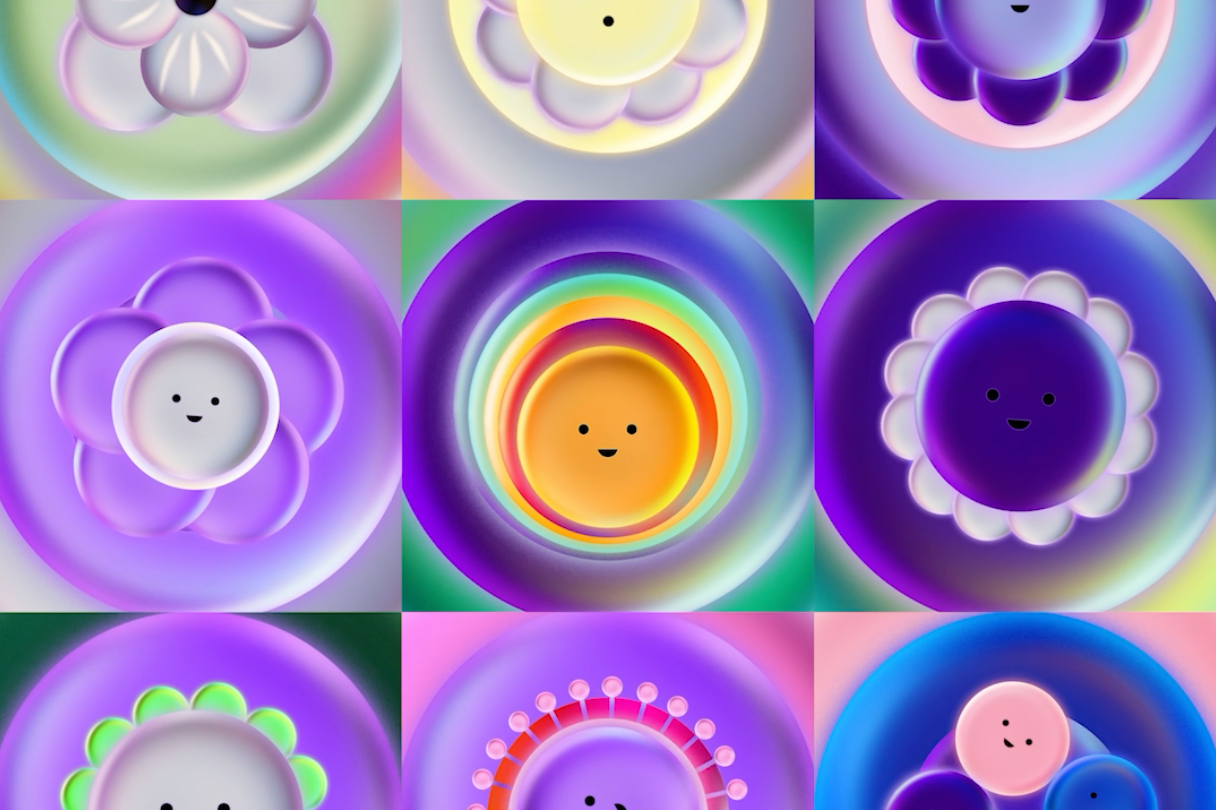
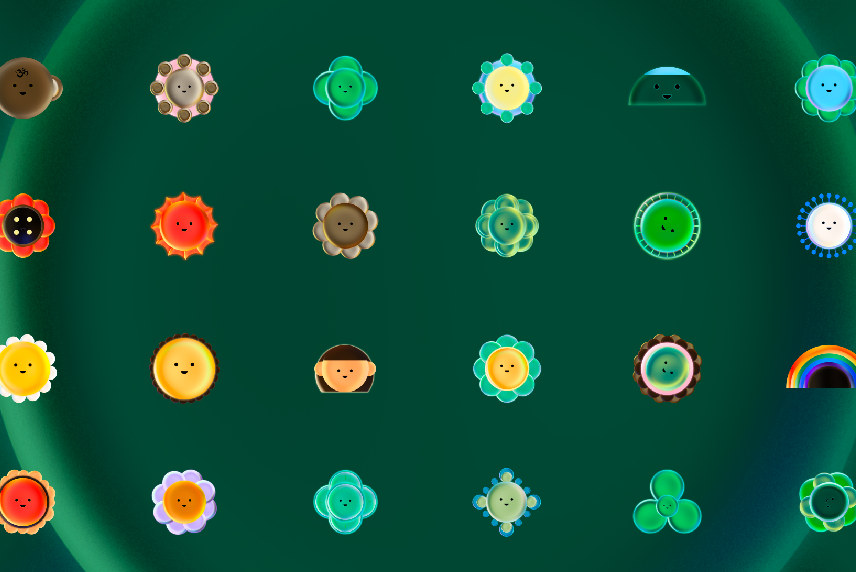
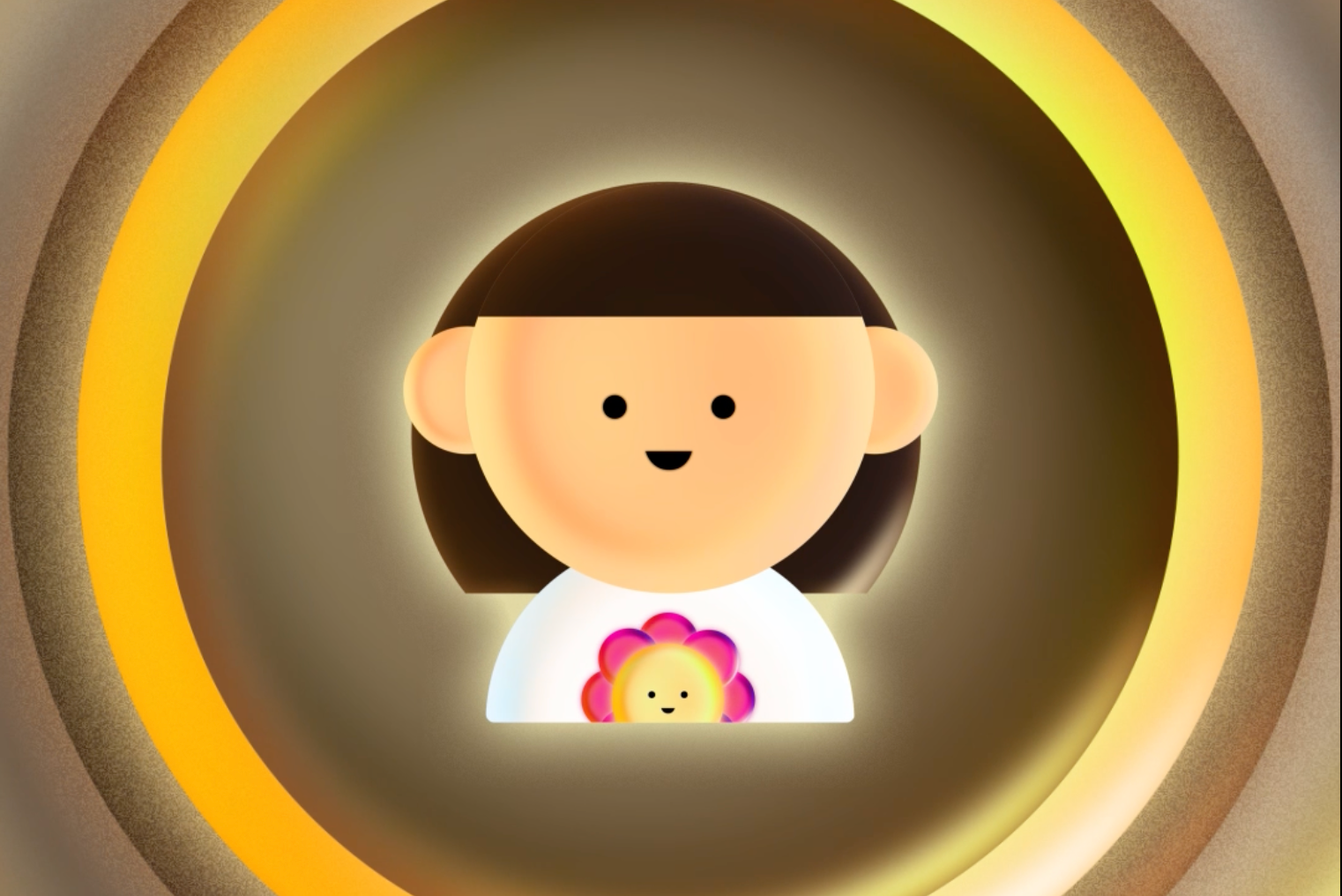
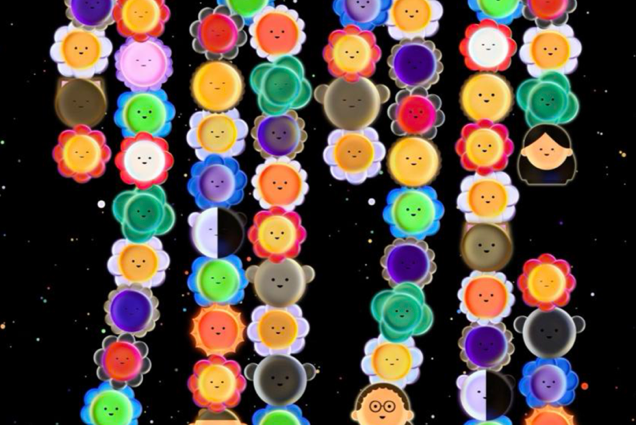
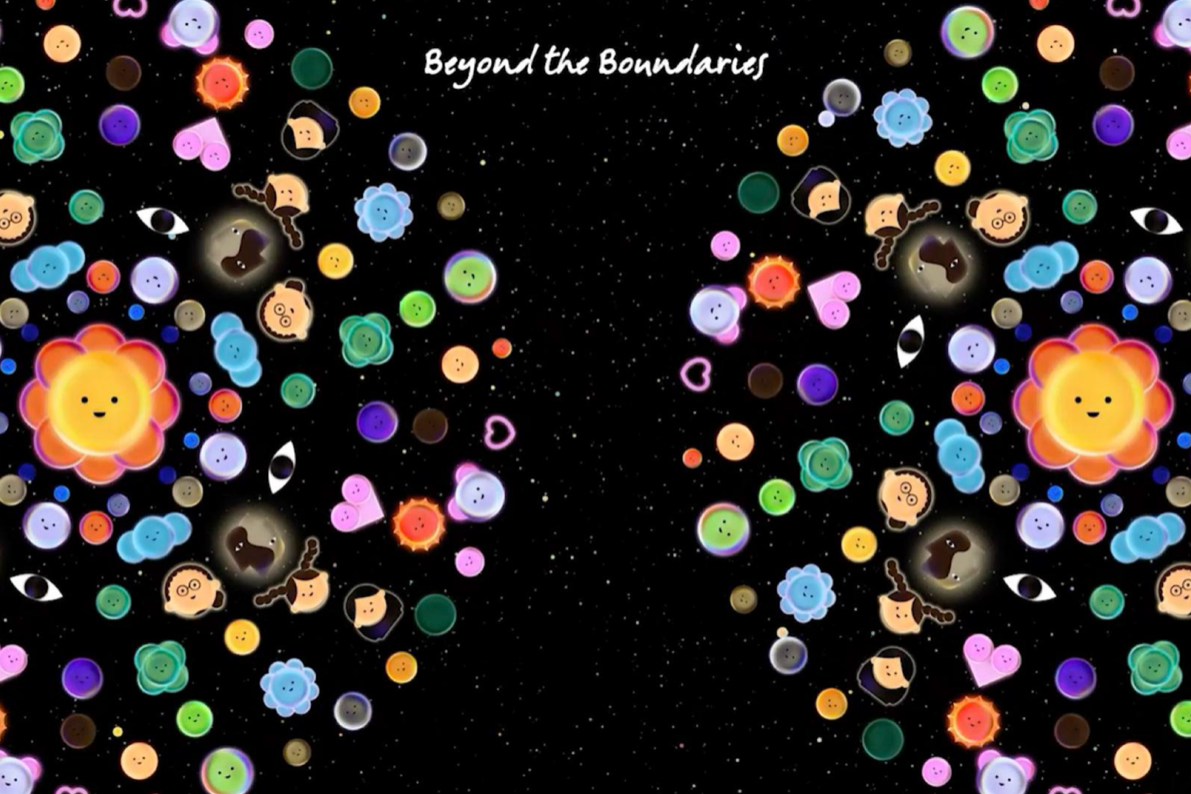
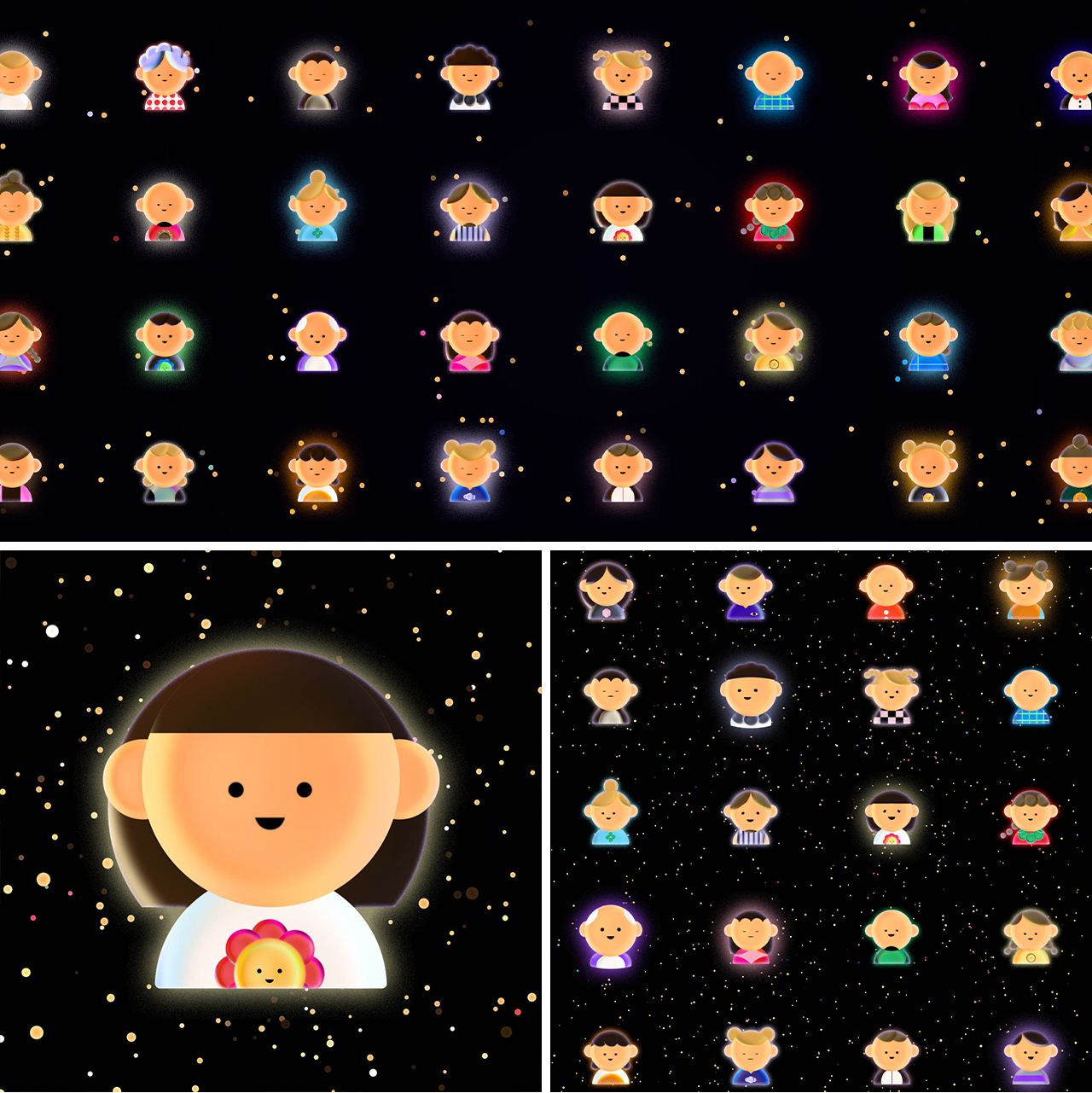
익명의 군중이지만 각자 그 익명성에 저항할 만큼의 개별적 디테일을 지닌 인물들이, 외부의 계기 없이 하나둘 스스로 꽃을 피운다. 꽃은 행복의 상징이며, 행복이 외부에서 주어지는 것이 아닌, 이미 우리 안에 존재하는 감정이자 가능성임을 이야기한다. 사람은 곧 꽃이며, 누구나 자신만의 아름다움과 빛을 품고 살아간다.
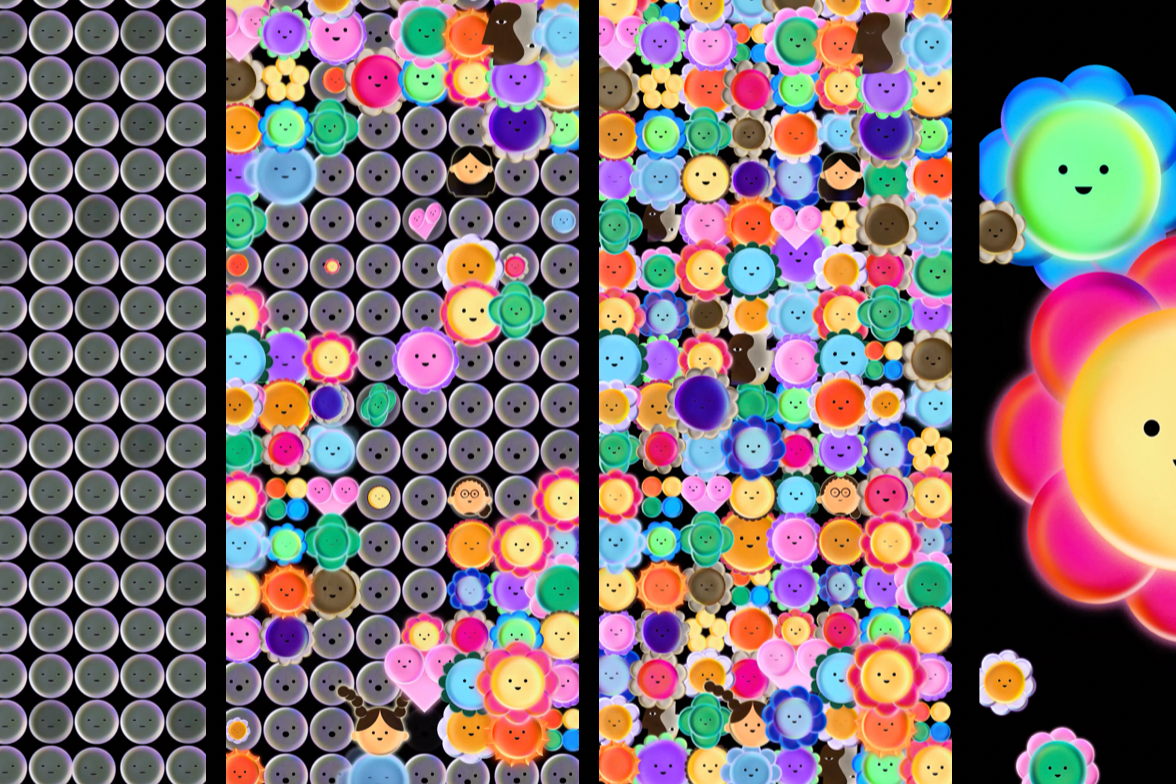
일정한 그리드에 군중들이 펼쳐진 포맷은 역설적으로 '데이터로 환원된 인간'이라는 문제의식을 형식 자체로 체현한다. 그러나 이 그리드가 실제 도시의 미디어 폴이나 건축형 LED 디스플레이로 확장될 때, 화면 속 '군중'은 비로소 실제 군중과 같은 물리적 공간을 점유하며 데이터의 틀을 벗어난다.
익명의 군중이지만 각자 그 익명성에 저항할 만큼의 개별적 디테일을 지닌 인물들이, 외부의 계기 없이 하나둘 스스로 꽃을 피운다. 꽃은 행복의 상징이며, 행복이 외부에서 주어지는 것이 아닌, 이미 우리 안에 존재하는 감정이자 가능성임을 이야기한다. 사람은 곧 꽃이며, 누구나 자신만의 아름다움과 빛을 품고 살아간다.
일정한 그리드에 군중들이 펼쳐진 포맷은 역설적으로 '데이터로 환원된 인간'이라는 문제의식을 형식 자체로 체현한다. 그러나 이 그리드가 실제 도시의 미디어 폴이나 건축형 LED 디스플레이로 확장될 때, 화면 속 '군중'은 비로소 실제 군중과 같은 물리적 공간을 점유하며 데이터의 틀을 벗어난다.
English
We live in a world that recognizes people as data. Within it, the human face disappears, and only flow remains. What does a society lose when it sees people only in aggregate — and what changes when even one person is seen as singular?
Anonymous, yet each carrying enough individual detail to resist that anonymity, the figures in the work begin, one by one and without any external trigger, to bloom into flowers. A flower is a symbol of happiness — the work speaks to the idea that happiness is not given from outside, but an emotion and possibility already present within us. A person is, in essence, a flower, each carrying their own beauty and light.
The format — a crowd arranged across a uniform grid — paradoxically embodies, in form itself, the very problem the work poses: a human reduced to data. Yet when this grid extends into the media poles and architectural LED displays found throughout the city, the "crowd" on screen finally occupies the same physical space as a real crowd, breaking free of the data-frame that first contained it.
Anonymous, yet each carrying enough individual detail to resist that anonymity, the figures in the work begin, one by one and without any external trigger, to bloom into flowers. A flower is a symbol of happiness — the work speaks to the idea that happiness is not given from outside, but an emotion and possibility already present within us. A person is, in essence, a flower, each carrying their own beauty and light.
The format — a crowd arranged across a uniform grid — paradoxically embodies, in form itself, the very problem the work poses: a human reduced to data. Yet when this grid extends into the media poles and architectural LED displays found throughout the city, the "crowd" on screen finally occupies the same physical space as a real crowd, breaking free of the data-frame that first contained it.